








.webp)
 by Admin

Job Opportunities After Completing an Oil and Gas Course
The oil and gas industry has a lot of career paths. Students who finish an Oil and Gas Course get the skills they need to work on projects on land and in the ocean.
Because people need energy all the time companies really want to hire people who know what they are doing in the oil and gas sector. After finishing the course people can look for jobs in engineering, safety running things fixing things and management.
Here are some of the jobs people can get after completing an Oil and Gas Course.
Engineering and Technical Jobs
These are some of the important technical jobs in the oil and gas industry.
1. Petroleum Engineer is a person who figures out how to get oil and gas out of the ground. They try to make production better and get much oil and gas as possible.
2. Drilling Engineer. Watches over drilling. They make sure wells are drilled safely and do not cost much.
3. Reservoir Engineer looks at the ground. Figures out how much oil and gas is there. They come up with plans to get much oil and gas as possible.
4. Production Engineer is in charge of getting oil and gas out of the ground. They watch equipment. Make sure production is running smoothly.
5. Pipeline Engineer. Takes care of pipelines that move oil and gas from where it is made to where it is used.
6. Process Engineer works at places where oil is turned into things like diesel and gasoline.
4. Mechanical Engineer takes care of machines and mechanical systems used in oil and gas work.
5. Electrical Engineer is in charge of power systems and electrical equipment used in drilling and refineries.
6. Instrumentation Engineer takes care of sensors and automated equipment that watch production.
Field and Operational Jobs
These jobs are for people who work directly at oil fields offshore rigs or drilling locations.
1. Rig Operator is in charge of drilling equipment. Makes sure drilling is done well.
2. Offshore Technician works on drilling platforms and fixes equipment.
3. Oil Field Technician helps engineers at oil fields and fixes equipment.
4. Well Test Engineer looks at how oil and gas wells are working and checks the ground.
5. Mud Engineer takes care of the fluids used in drilling to keep the well safe.
6. Roustabout does work and fixes things on offshore drilling rigs.
Safety and Quality Control Jobs
Safety is very important in the oil and gas industry so these jobs are crucial.
1. HSE Officer makes sure everything is safe. Follows the rules.
2. Safety Engineer comes up with safety plans to reduce accidents.
3. Quality Control Inspector checks equipment and materials to make sure they meet standards.
4. Fire and Safety Officer takes care of fire safety and emergency plans.
Exploration and Research Jobs
1. Geologist looks at the ground. Figures out where oil and gas might be.
2. Geophysicist uses equipment to find oil and gas underground.
3. Exploration Engineer helps geologists. Plans drilling projects.
Refinery and Downstream Jobs
After oil is gotten out of the ground it needs to be refined and processed.
1. Refinery Operator runs machines and processes that turn oil into gasoline and other things.
2. Chemical Engineer figures out how to refine oil and make petroleum products.
3. Plant Operator watches equipment and systems in oil refineries and petrochemical plants.
4. Process Technician does daily work in processing plants and refineries.
Maintenance and Inspection Jobs
These people make sure equipment is working safely and well.
1. Maintenance Engineer takes care of fixing and servicing oil and gas equipment.
2. Pipeline Inspector checks pipelines for leaks and safety issues.
3. Welding Inspector checks welding to make sure it is safe.
4. NDT Technician uses tests to check equipment without damaging it.
Management and Support Roles
The oil and gas industry also has management and support jobs.
1. Project Manager is in charge of oil and gas projects.
2. Operations Manager runs work in oil fields, refineries or offshore platforms.
3. Supply Chain Manager takes care of getting equipment and supplies.
4. Energy Consultant gives advice to companies about energy production and efficiency.
Offshore Career Opportunities
Offshore jobs are popular because they pay well and people can work in countries.
Some common offshore jobs are:
1. Offshore Drilling Engineer
2. Offshore Technician
3. Rig Manager
4. Marine Engineer
5. Offshore Safety Officer
Conclusion
Finishing an Oil and Gas Course can lead to different career paths in a very important industry. From engineering and drilling to safety and refining the oil and gas sector has jobs for trained people.
With the training and knowledge people can work in oil exploration companies, offshore drilling platforms, refineries and big energy companies all over the world. Because people will always need energy, skilled oil and gas workers will always be, in demand.
Tags
Popular Blogs

Why Hospital Administration Is a Smart Career Choice in 2025


Why You Should Enroll in an Oil & Gas Course Today
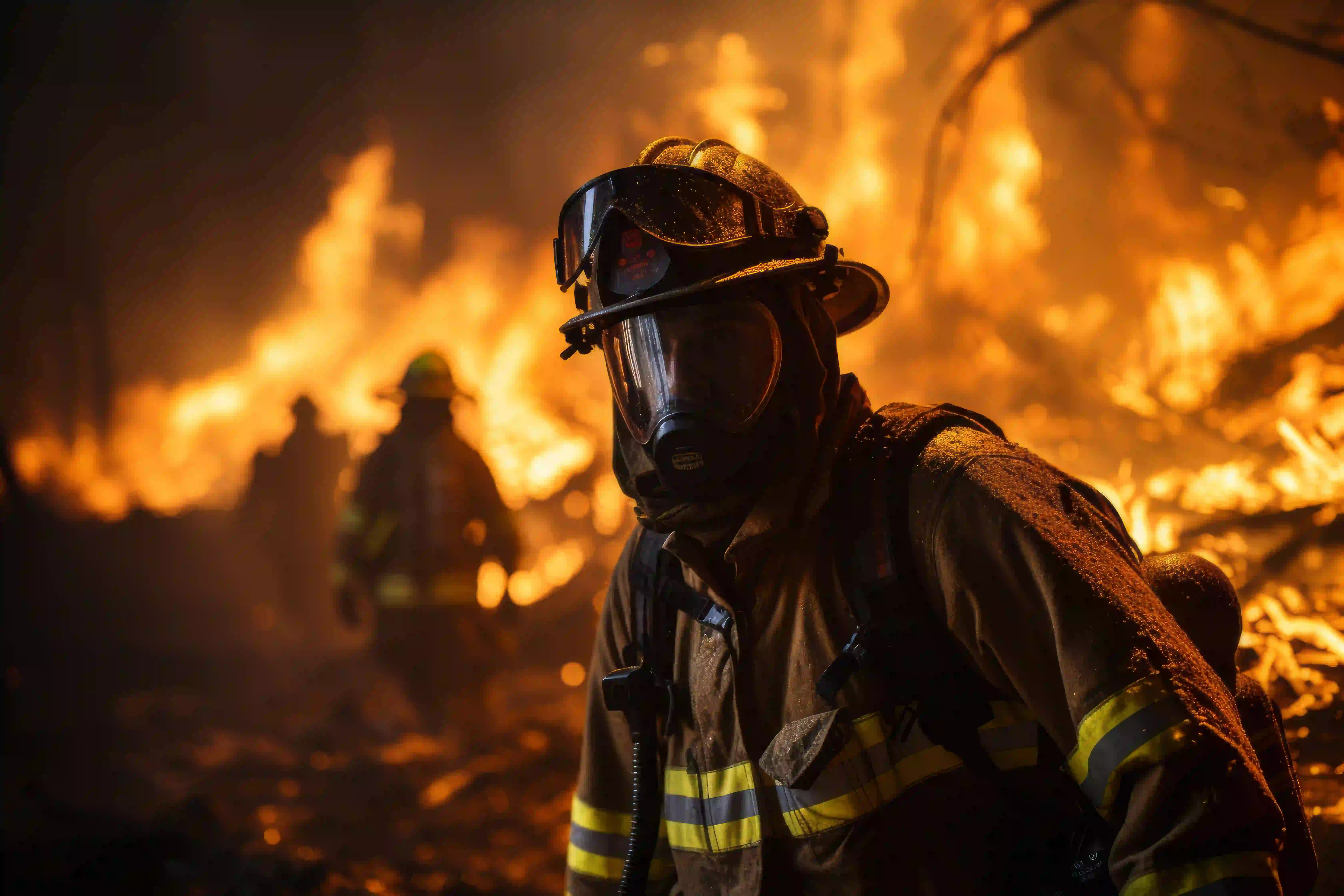
Comprehensive Guide to Fire & Safety Training: Skills You Need to Know

Is Welding a Good Career Choice for Freshers?